A machine can now draw a thousand versions of anything by lunch. We put them in front of the people they are for, in the market they have to win, and come back in a day with which one, and why.


Three teams, three rooms that could not agree, and the three honest answers a study can give: choose, carry, combine.


Concept 3 had its flavour name in white on yellow foil, where it was easy to miss. Concept 2 had it in dark type on a panel. The numbers said to put the two together.
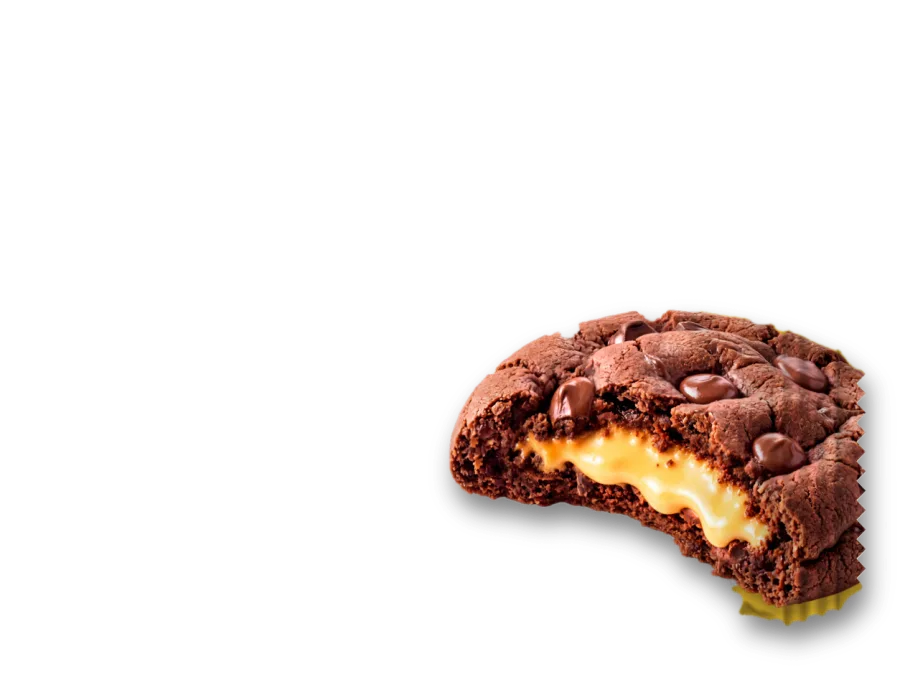
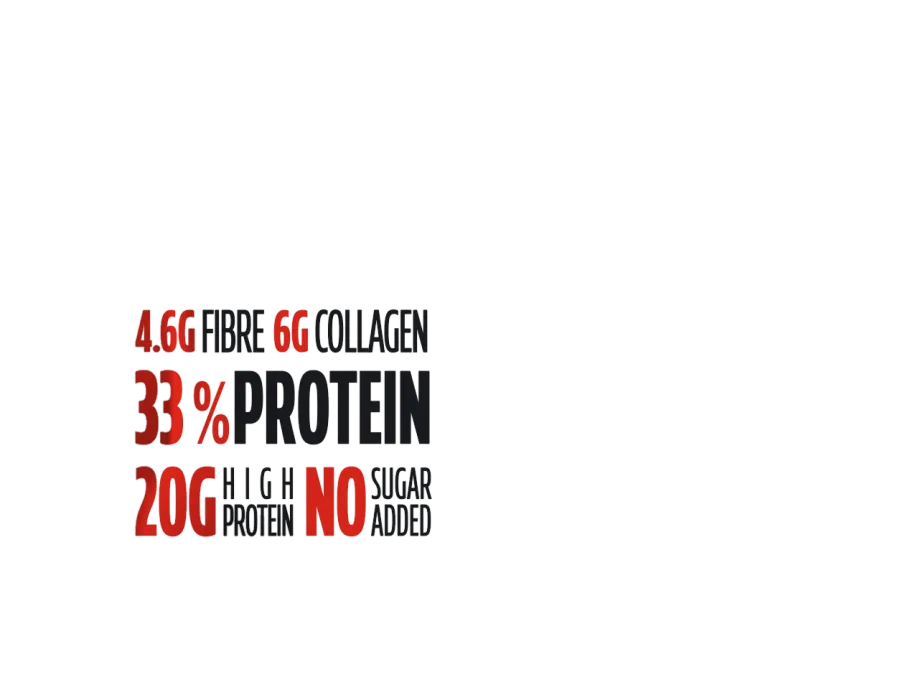
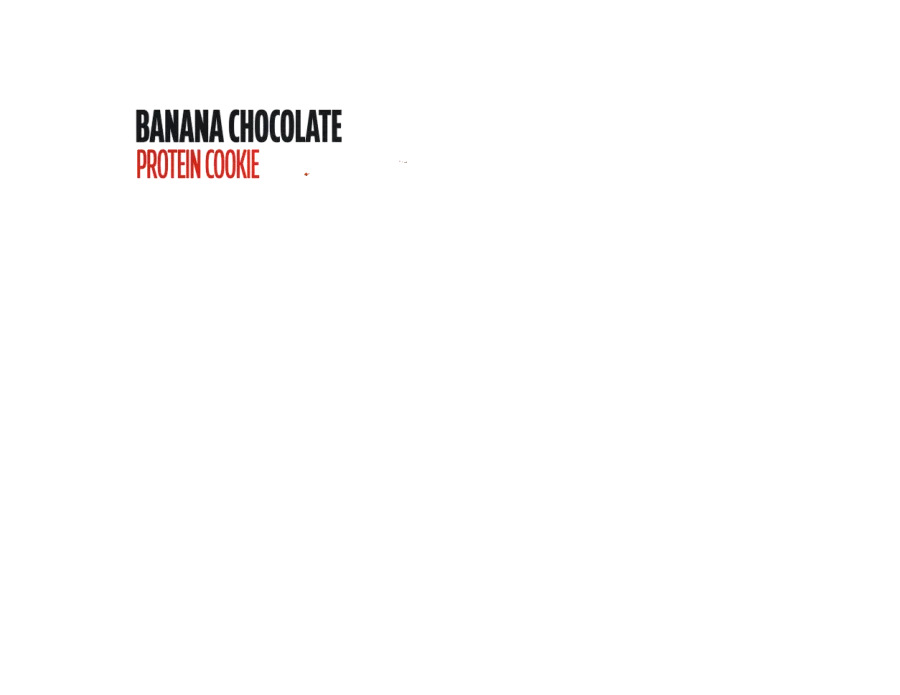
Banana chocolate pack. The other three flavours rose by about as much.
We use real people in real markets, and we build the experiment around the work on the table.
We are building the judgment layer of the creative loop. Every pack, headline, logo, price and name a machine can draw in minutes, measured with the people it is for, before the next version is drawn.
Taking things apart and putting them together are supposed to be opposite talents. We think they are one, and that the numbers are what join them.
Read → CaseA farmers market, an A-frame sign, and a crowd that turned out to be three kinds of reader.
Read →Three concepts, four flavours, three countries, and one pack nobody had drawn.
Open → The logoTwenty-five logos, two rounds with pet owners, and the icons the designers loved came last.
Open → The signSixteen headlines for a market sign, and women and men stopped for different ones.
Open →A pack, a logo, an ad, a concept, whatever is on the table this week. Thirty minutes on the phone is enough to plan the study.